
Ok Cowgirl "Rhinestone Cowgirl"
From American Highways: “
Summer is all about good driving music. And even as we’re stretching out the last couple of weeks of August before Labor Day lands with a thud, there’s still time to squeeze in a good road trip or two. Brooklyn-based band Ok Cowgirl’s second LP, Rhinestone Cowgirl, is a departure from their first album, last year’s Couldn’t Save Us From My Gut. While those oft-shoegazey songs felt at home on a walk through New York’s hippest outer borough, Rhinestone Cowgirl is a full-trottle rock record, road-ready to see the rest of America with unglazed eyes.
One of the best reasons to hit the road is a chance to mentally parse through life choices, and Rhinestone Cowgirl leads off with one hell of a declaration – “Rock N Roll Ruined My Life.” The band’s songwriter and frontwoman, Leah Lavigne, takes a moment to catalog all the upheaval caused by her chosen profession – “Tell me that I’m stuck chasing gloryThat will only chew me up and disappoint.” But once the big guitars kick in (courtesy of Lavigne and bandmates Jacob Savinsky, John Miller, Ryan Work and co-producer Alex Farrar), she’s ready to remind herself that all she needs is a few friends and her fellow musicians to believe in her – “Life will break our hearts and take our pride/Hold on to the ones that see you right.” While the next track, “Wished I Could Be,” recalls those dreamier moments from Couldn’t Save Us, this album’s third song, the super-riffy “God Made A Farmer,” is as heartland rock as it gets. The tangy anthem honors not just farmers, but office workers, bartenders, and anyone else toiling hard for far too little reward. Think of it as a song Taylor Sheridan might write if he weren’t so afraid of big cities and chose to acknowledge workers of all stripes – “When the game is rigged/None of us really win/So babe laugh a good laugh /Carve your own path.”
While Rhinestone Cowgirl isn’t exactly an exercise in optimism, it finds meaning in accepting reality and making the best of the mess that’s left. The juxtaposition of “Winner” and “Prepared to Lose” toward the end of the record highlights this. The latter is a jangly alt-pop tune that wryly recognizes the pain that life brings – “Thousand ways to live, thousand ways to go/Thank god we just die once,” while “Winner” begins with a pensive catalog of questions before opening up to acknowledge that, sometimes, mere survival is the goal – “You’re a winner/ ‘cause you’ve always had to fight/For what’s been given to so many.” Circling back to “”Rock N Roll Ruined My Life,” it’s that fight that’s gotten Lavigne and Ok Cowgirl out of Brooklyn clubs and onto the road – “They might see me just as a failed singer/But I’ve seen things that they will never know.” Leaving home – and comfort – is the only way to see these things. Ok Cowgirl is giving you both the soundtrack and the reason to do it.
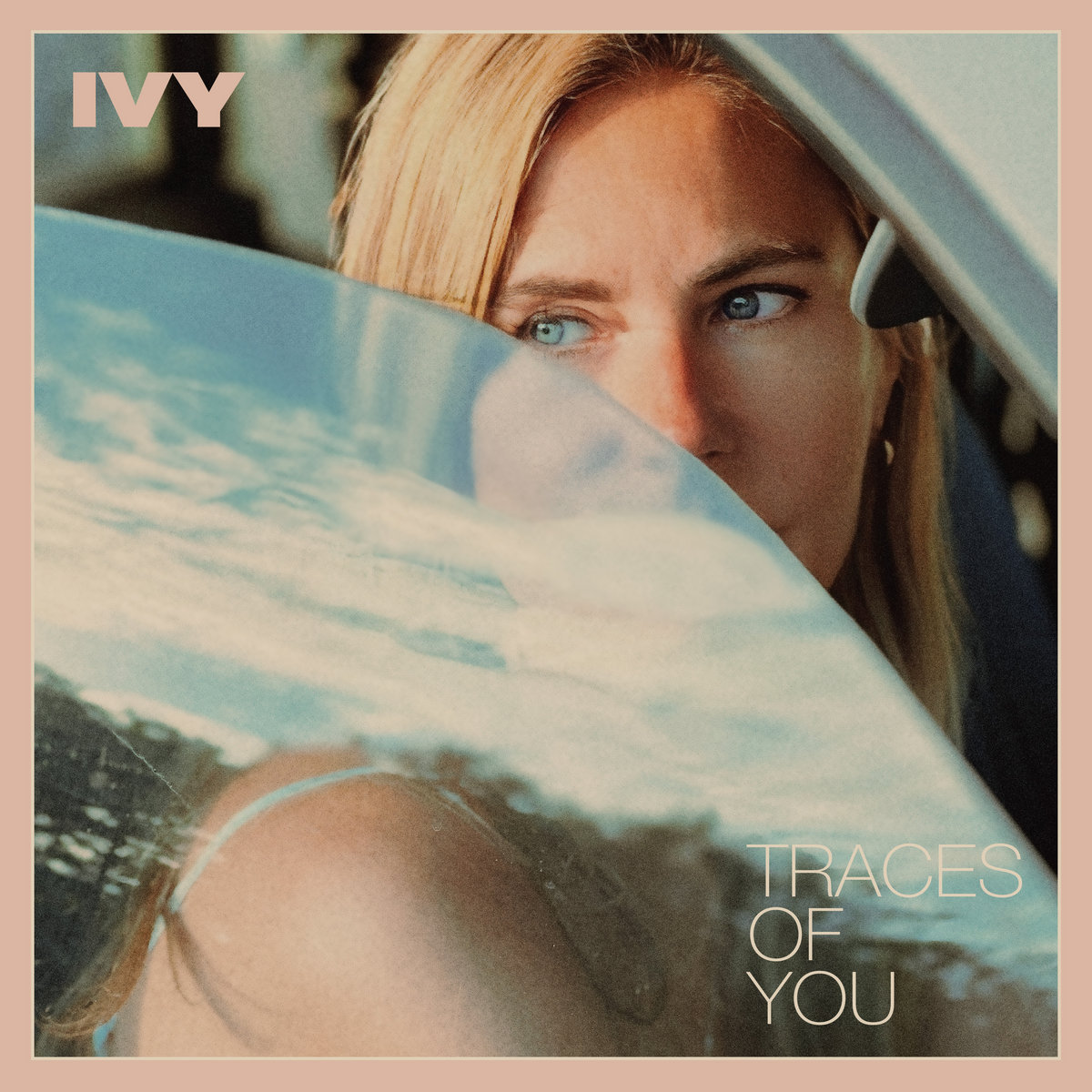
Ivy "Traces of You (Acoustic"
The impossible happened: Ivy returns with 10 new songs, built from original sessions with Adam Schlesinger and completed with care.
Traces of You captures their timeless magic along with the help of Bruce Driscoll (Freedom Fry), Jody Porter and Brian Young (Fountains of Wayne), Eric Matthews (Cardinal) and Joey Waronker (Beck).
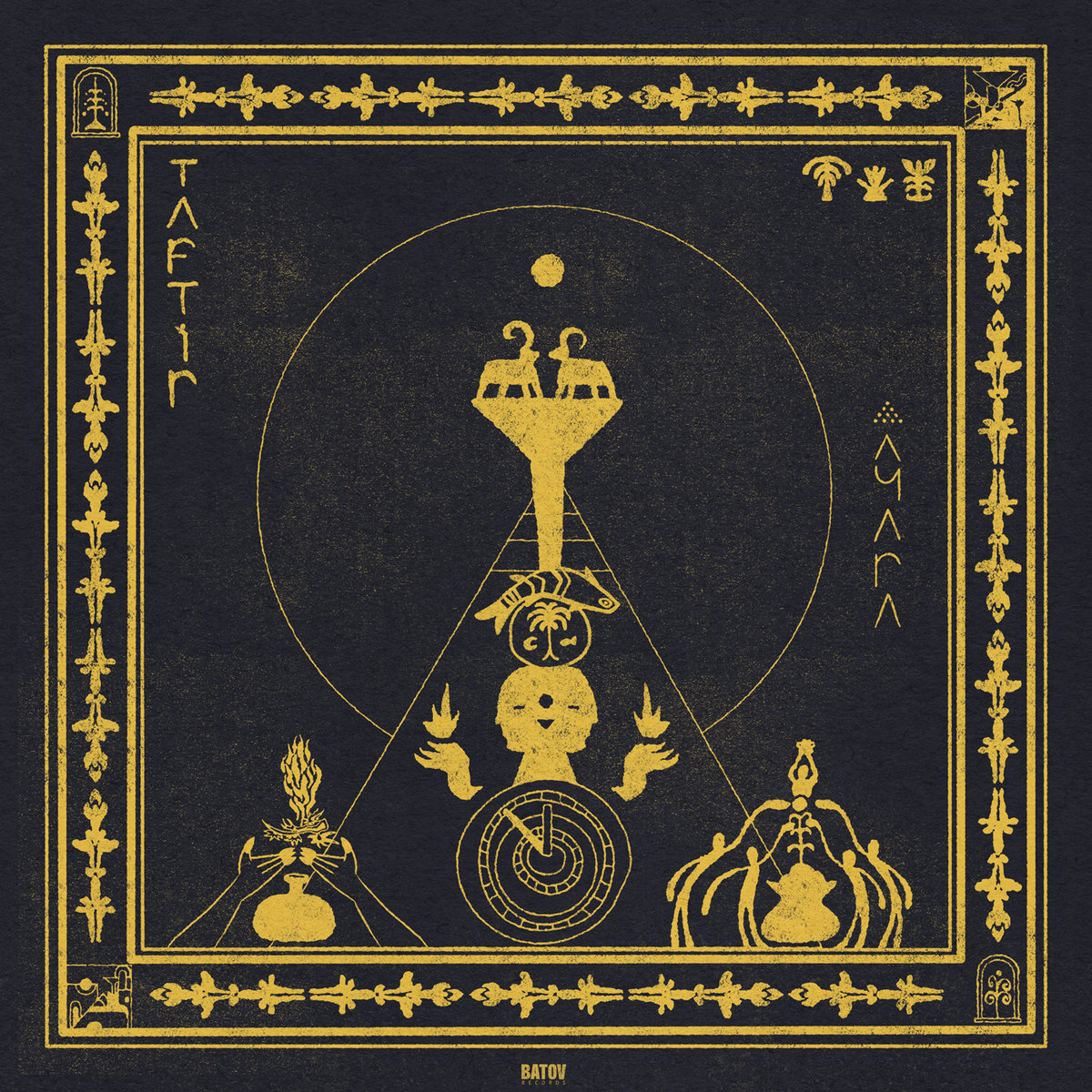
Tafir "Od Layla Ba Ayara"
From The Heisenburg Review: “
Taftir’s debut EP for Batov Records, Od Layla Ba Ayara, sounds less like the introduction of a fully formed band than the moment a shared musical language first catches fire. The project emerged after guitarist and producer Tomer Ben left city life for a remote desert town, where a loose circle of musicians began meeting without a fixed plan. Built from live, largely spontaneous sessions, the four-track release favors chemistry over polish, drawing psychedelic rock, Middle Eastern modal traditions, instrumental soul, and analogue groove into a loose but remarkably coherent whole. “Ayara” establishes the approach immediately, its cyclical rhythm section leaving room for Ben’s guitar and Gal Costa’s synthesizers to circle, answer, and steadily deepen the groove. “Ahh… Raj!” is more volatile, opening in a haze of wandering country-psych guitar before thick drums, distorted synth lines, and distant vocals pull it toward something heavier and stranger. The spacious “Tavasim” offers the EP’s most inward-looking passage, with gently picked guitar and an unhurried pulse suggesting the slower, dustier edge of instrumental soul. Closing track “Yaris” breaks the calm with blunt synth chords, handclaps, dembow-inflected percussion, and maqam-shaped melodic figures that seem to rearrange the song while it is still moving. That unfinished quality is central to the record’s appeal. Taftir never sound careless, but they do sound open to interruption, accident, and sudden redirection, preserving those moments as evidence of five musicians discovering what the band can become. Raw, fluid, and quietly transportive, Od Layla Ba Ayara is a promising first document from a group already comfortable venturing beyond the map
Megasound "Megasound"
From Tinnitist: ”
Kerry Alexander has fronted Bad Bad Hats with Chris Hoge for more than a decade, and the duo have known Elana Carroll (aka Party Nails) even longer. While on tour together in 2018, Carroll joined Bad Bad Hats on stage for an encore performance. It was a cover of Pretend To Be Nice, hit single of comic book band Josie & The Pussycats, written by Fountains of Wayne’s Adam Schlesinger for the 2001 live action movie. This swirling musical cauldron produced a bubble of an idea: A new band with Elana on lead vocals, Kerry on guitar, Chris on drums, and songs inspired by early 2000s rock, the music of their collective youths. A fresh watch of Josie & The Pussycats sealed the deal. Megasound were officially born.
The trio began work on their first songs in November 2022, recording and writing in Kerry and Chris’s Minnesota basement, Elana’s Los Angeles studio, and across humming internet wires. Over the ensuing three years, they honed Megasound’s particular sonic palate. Their songs eschew the synths and swells of their individual projects and focus on a lean diet of drums, bass and electric guitars. Millennial musical influence looms large, in equal parts grunge angst (the cathartic rage of Dog Leash) and pop nonchalance (the transatlantic bounce of Supersize). The songwriting showcases the trio’s individual hallmarks: Alexander’s penchant for love songs (Lemon Peel), Carroll’s sometimes tender / sometimes brutal honesty (Now Is All We Got, Speck of Dust), and Hoge’s knack for tight arranging and tone.